
![[Infographic] Cheers to the Chill: Your Guide to Icewine](https://cdn.niagarafallshotels.com/wp-content/uploads/2020/01/infographic-niagara-falls-icewine.png)
From the frozen harvest to the signature slim bottle, here’s your guide to Niagara Falls’ go-to icy infusion.
What is Icewine?
Icewine is one of the best mistakes that nature has ever produced. In the early 1800’s, vintners in Germany predicted one of the harshest winters of the decade. To prepare, they left grapes in the vineyards for the animals to field during the harsh temperatures.
Some of the vintners harvested a few bunches of grapes to bring inside for fruit. They noticed that the juice inside of the grapes had become much sweeter than usual.
Curious minds dreamt up a sweeter wine variety developed from the icy grapes, and the rest is history.
An early version of icewine was produced and called Eiswein. The high, sweet flavor was a hit and thus began the trend of the late harvest.
Today, icewine is a puckering sweet delicacy that is beloved by many. Grapes are intentionally left for winter harvest to produce sweeter versions of Cabernet Franc, Merlot, Riesling, and more.
Where is Icewine Made?
To make the best possible icewine, the grapes need to reach freezing temperatures. Because of this, most icewine is harvest and produced in very cold, Northern Hemisphere countries like Canada and Germany.
One of the most common places that icewine is harvested and enjoyed is Niagara Falls. The frosty winters make for the perfect breeding ground for sweet, tasty grapes. There are sprawling vineyards that are dedicated to the late harvest, producing some of the most renowned bottles of icewine in the world.
If you’re a wine aficionado, this is the perfect winter destination for you. There are wine tours running year round.
How Icewine is Made
Icewine is one of the hardest, most painstaking wines to produce. When done right, it has almost double the sweetness of Coca-Cola.
Thousands of icy marbles are taken from the vineyard and are sent through a grape crusher press when they reach the ideal temperature of -8°C or 17.6°F. Only about 10-20% of the liquid in frozen grapes can be used to produce icewine and because of its intense sweetness, it can take anywhere from 3-6 months to ferment.
Once the long, sticky fermentation reaches the perfect taste, the wine is bottled in their signature skinny bottle with around a 10% ABV and a sweetness of 160–220 g/L of RS.
The production of icewine is very specific, labor-intensive, and lengthy, but when it’s done right, it produces amazingly unique flavors that can only come from nature. In fact, if grapes are not frozen outside, the wine can technically not be labeled as icewine. The flavor that is created from the natural freezing process can’t be replicated when using traditional freezer appliances, which is why this wine is a true delicacy.
How to Drink Icewine
Icewine is exploding with sweetness. Best served over ice, this dessert wine is the perfect beverage to end the night.
Sip on a signature icewine with a rich dessert like cheesecake or ice cream.
Serve it in small liqueur glasses and sample a charcuterie board.
Open a bottle for savory appetizers like foie gras.
The key to pairing icewine is to lean toward rich flavors but stay away from sweets. Because the wine is so sweet as is, pairing it with foods that have high-fat content and savory notes are optimal for a tasty flavor pairing.
While you only need a little at a time, you should be prepared to finish the whole bottle once you open it. You can store the wine in the refrigerator for a few days after, but to get the best flavor possible, it’s better to enjoy immediately after drinking.
Aging Icewine
Aging an Ice Wine is different than aging any other type of wine. Icewines age quicker than most wines because of their high acidity level that builds up during fermentation. When wines have higher sugar content and high acidity, they are likely to age effortlessly for 30-50 years.
Like most wines, their flavor will change slightly over this period of time, but with icewine, it’s almost a certainty that the wine will become sweeter tasting and gain hints of maple and hazelnut.
Where to Try Icewine
There is no question that icewine is one of the wine treasures of the world. If you’re ready to dive into everything icewine, it’s time to start planning a visit to Niagara Falls. Explore frozen vineyards, experience the winemaking process with your own eyes, and taste the unique wine creations right from the source. Some of the most renowned vineyards lie in the backyards of Niagara Falls Hotels, that are open year round. Book a stay and let the wine tasting begin. Book your stay now: https://www.niagarafallshotels.com/
 The market features a bevy of seasonal food & drinks options, unique pop-up shops and live music.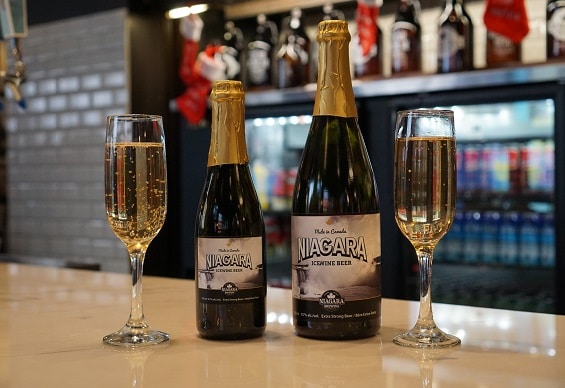

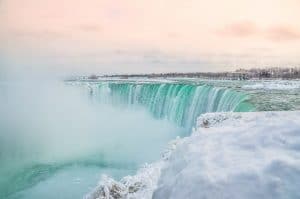 The Niagara Falls waterfalls are powerful and mighty, but they also achieve a more delicate state in winter. In recent years, parts of the waterfalls have frozen. It’s a unique experience to see what is usually rushing water become still and peaceful in the winter.

 A waterpark in the winter? Yes, you read that right. Ontario is home to some of the most spectacular indoor waterparks in the country.
 When you visit Niagara Falls, there’s no way you’ll miss the magnificence of the rushing waters. While most people flock to the area during the summer, one of the most exciting times to see the falls is during the holidays. During the winter, there are spectacular fireworks shows that explode high over the mighty Falls as a part of the Winter Festival of Lights that we spoke about earlier. On select days during the month of November, you can catch one of the most memorable shows in all of Ontario. At 9 pm, the fireworks soar and explode right above the Falls, lighting up the dark winter sky. You’ll experience neon views of the sky, the falls and the beautiful city that lies around them — this experience is sure to create lifelong memories.
  Wondering what to do in Niagara Falls Canada? Every year, one of the most anticipated Niagara Falls activities comes to Queen Street in downtown Niagara Falls, as the Santa Claus Parade ushers in the holiday spirit. Community members, local businesses and visitors gather to watch holiday-themed floats pass through and check out live entertainment like marching bands and stilt walkers.
 Some of the past faces and floats in the Santa Claus Parade have included:
 The once statue-like boat has broken free. For generations, the sight of the Old Iron Scow has been a popular part of taking in the Falls and the haunting story of the ship captivates millions of visitors.
  What’s Next for the Old Iron Scow?
 the brink of the Falls from November 16, 2019- January 12, 2020.
 Thanksgiving weekend, you can head to the